| Hire Date | Complete New Hire Enrollment |
Benefits Effective |
| 1/1/2024 | 1/31/2024 | 2/1/2024 |
| 1/4/2024 | 2/3/2024 | 3/1/2024 |
Total Rewards Hub
Open Enrollment Is Here!
Begins: October 28
Ends: November 11, end of day
There are several benefit enhancements for 2025. The presentation is below if you cannot attend one of the scheduled webinars.
Enrollment is passive this year, meaning no action is required. However, you must log in and enroll for the FSA benefit to participate in the FSA dependent care account for 2025.
Enroll or Change Your Benefits
Welcome
We are thrilled you joined an organization that helps to create therapies that support and sustain life for people with a wide range of health conditions.
Our Total Rewards strategy compensates you for your hard work and supports your well-being, career growth, and work-life balance. The site is available all year long and provides periodic updates on the components that make up your Total Rewards package, highlighting the benefits you enjoy as part of our team. Browse this site to learn more.
Mobile Total Rewards Hub
Want quick access to your benefits information anytime, anywhere?
Simply save your benefits contacts right to your phone in these easy steps:
-
On your mobile device, visit https://flimp.live/ImmunotekMobileTotalRewardsHub or click here.
-
Tap the Share button, which appears as a square with an upward arrow, at the top of your screen.
-
Select "Add to Home Screen."
-
Enter "Ex. Benefits Contacts" for the icon, then tap "Add."
This will create an app-like icon on your home screen that opens directly to your benefit contact information.

Scan or click the QR code
New Employee Enrollment
As a new employee, you have a benefit enrollment period that begins on your hire date. You must complete your enrollment within 30 days of your hire date. When you are ready to enroll in Benefits, click the TBX enrollment box to be directed to the benefit enrollment site.
Important reminder. If you miss your new hire enrollment opportunity, you cannot enroll in benefits until the next open enrollment period, which typically occurs in early November. Another option to change enrollment outside of the open enrollment period is when you experience a qualified life event. See the qualified life event information below for details. You receive a paycheck every other Friday, totaling 26 checks per year. Benefit premiums are deducted from 24 of these pay periods, meaning there will be two paychecks during the year where no premiums are deducted.
New Dependents and Verification
When you are adding new dependents to the plan, you must provide the documentation that supports dependent eligibility.
Eligible Employees and Dependents
Eligible Employees: All employees classified by the employer as full-time (generally working 30 or more hours per week) are eligible for coverage.
Effective Date of Employee Coverage: Employee coverage begins on the first day of the month following 30 days of employment.
Termination Date of Employee Coverage: Employee coverage terminates at the end of the month in which employment ends.
Eligible Dependents: An eligible employee may also elect coverage for the following dependents:
- Legally married spouse, including a common law spouse in states that recognize common law marriage
- Children of the employee, including biological children, stepchildren, foster children, adopted children, children placed for adoption, and children the employee is legally obligated to support. The limiting age for children is 26, except there is no limiting age for children who are dependent on the employee due to a physical or mental disability.
Effective Date of Dependent Coverage: Dependents are eligible for coverage on the later of (i) the date the employee is eligible, or (ii) the date the person becomes a dependent (for children) or the first day of the month thereafter (for marriage).
Termination Date of Dependent Coverage: Coverage ends on the earlier of (i) the date the Employee’s coverage terminates, or (ii) the end of the month in which the person ceases to be a Dependent

Qualified Life Events
Benefit changes outside the open enrollment period are only allowed if you experience a Qualifying Life Event (QLE). You must take action within 31 days from the date of your QLE. To do this, complete the life event on the enrollment site and provide the necessary supporting documentation. For example, if you experience a loss of coverage with coverage ending on 6/30, you must request a QLE change within 31 days of 6/30.
Examples of Qualifying Life Events Include:
- Marriage, divorce, or legal separation
- Birth or adoption of a child
- Death of a spouse or dependent child
- Change in employment status for you or your spouse
- Change in a child's dependent status
- Entitlement to Medicare or Medicaid
- Loss or gain of other health coverage for you and/or dependents
- Receipt of a Qualified Medical Support Order


Life event benefit changes are typically effective the first of the month following the date of the life event change. However, if the life event is the birth of child, the change is effective from the child's date of birth forward.
If you miss your QLE 31-day period, you must wait until the next open enrollment or until you experience another QLE. Click the button below for information on how to process your qualifying life event through the Tbx Benefit Portal. You can process a QLE 24/7 through the Tbx portal.


Contact Information for AllVoices
Phone:
Website:
Ethics and Safety
As part of our ongoing commitment to maintaining a safe and supportive work environment, we have partnered with a service provider to manage our AllVoices Hotline. This change allows you to report concerns or share feedback confidentially.
We want you to feel empowered to raise any questions or concerns pertaining to our Code of Conduct, policies, financial controls, compliance issues, or any other matters affecting the company. In alignment with our core values, we are dedicated to protecting you from any reprisals, retaliation, or retribution for reporting possible violations or raising concerns.
Fostering a culture of transparency and trust begins with ensuring you have the right tools and support to speak up. We encourage you to utilize this valuable resource and share any feedback or concerns to help us continuously improve our workplace and uphold our commitment to ethical conduct.
Have benefit questions?
Email:
Call benefits:
Leave of absence email:

MEDICAL AND RX
Medical and Rx
You have three medical plans to choose from, all administered by UnitedHealthcare. Two are High Deductible Health Plans (HDHPs) with a Health Savings Account (HSA). The third option is a Preferred Provider Organization (PPO) plan. All three plans include prescription drug coverage and use the same network of providers. The key differences between the plans are:
- Amount and treatment of the deductible: embedded vs. aggregate
- Out-of-pocket maximums
- Coinsurance and copay levels
- Differences in prescription drug coverage under the HDHP plans
- The amount deducted from your paycheck
- Wellbeing incentives and resources are included in all plans. Please review the Mental Health & Wellbeing tab for more information about earning incentives.

Website:
Phone:
PPO Plan
Someone might choose a PPO plan over an HSA medical plan for several reasons:
Flexibility with Specialists: PPO plans usually allow visits to specialists without requiring a referral from a primary care physician, providing more flexibility in choosing healthcare providers.
Immediate Coverage: PPO plans often provide immediate coverage for certain services, such as prescription drugs and doctor visits, without needing to meet a deductible first.Less Financial Risk: For individuals anticipating frequent medical visits or ongoing medical care, a PPO plan can reduce financial risk by offering better coverage for regular healthcare needs.Preference for Traditional Plans: Some people prefer PPO plans' traditional structure and familiarity, as they have been around longer and are more widely understood.
Lower Out-of-Pocket Costs: PPO plans often have lower deductibles and copayments than HSA plans, which means lower out-of-pocket costs for medical services.
Predictability: With a PPO, costs are more predictable due to fixed copayments and coinsurance rates, making it easier to budget for healthcare expenses.No Need for Upfront Payments: PPO plans typically do not require high upfront payments before the insurance starts covering expenses, unlike HDHPs, which require meeting a high deductible first.
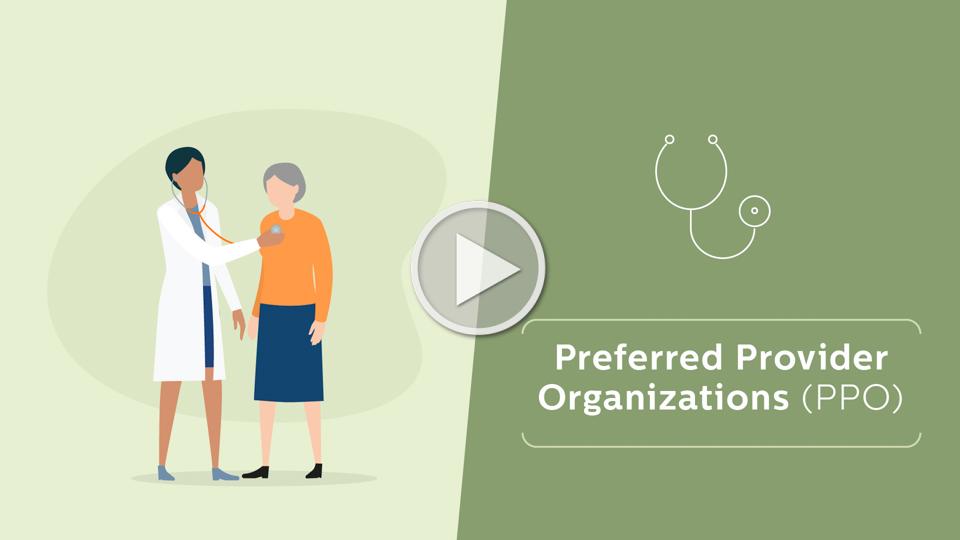
While HSA plans can offer significant tax advantages and lower premiums, the PPO plan may be a better choice for some, especially those who prefer more comprehensive coverage with less upfront cost.
The PPO plan is an embedded deductible plan.
HDHP with HSA Plan
Some people prefer a High Deductible Health Plan (HDHP) with a Health Savings Account (HSA) for several reasons:
One key reason some people prefer a High-Deductible Health Plan (HDHP) with a Health Savings Account (HSA) is its financial advantage. HDHPs typically have lower monthly premiums than traditional health plans, making them a more affordable option for individuals and families.
Tax Advantages: Contributions to an HSA are tax-deductible, the account grows tax-free, and withdrawals for qualified medical expenses are tax-free. This triple tax advantage can result in significant savings.
HSAs are not just for immediate medical expenses. They can also serve as a long-term savings vehicle. Unspent funds roll over from year to year, and the account accumulates money over time. Plus, HSAs can be invested in stocks, bonds, or mutual funds, potentially growing your savings even more.
Flexibility in Spending: HSAs provide flexibility in paying for a wide range of qualified medical expenses, including dental and vision care, which standard health insurance plans may not cover.
Portability: The money in an HSA is owned by the individual, not the employer, which means it stays with you even if you change jobs or retire.
Catastrophic Coverage: HDHPs cover catastrophic health events, protecting against high medical costs. Once the high deductible is met, the plan typically covers most or all expenses.
Retirement Planning: After age 65, HSA funds can be withdrawn for non-medical expenses without a penalty, though they will be subject to income tax. This makes HSAs a versatile tool for retirement planning.
While HDHPs with HSAs may require higher out-of-pocket spending before insurance kicks in, the combination of lower premiums, tax benefits, and savings potential can make them an attractive option for many people, especially those who are relatively healthy and do not anticipate high medical expenses.
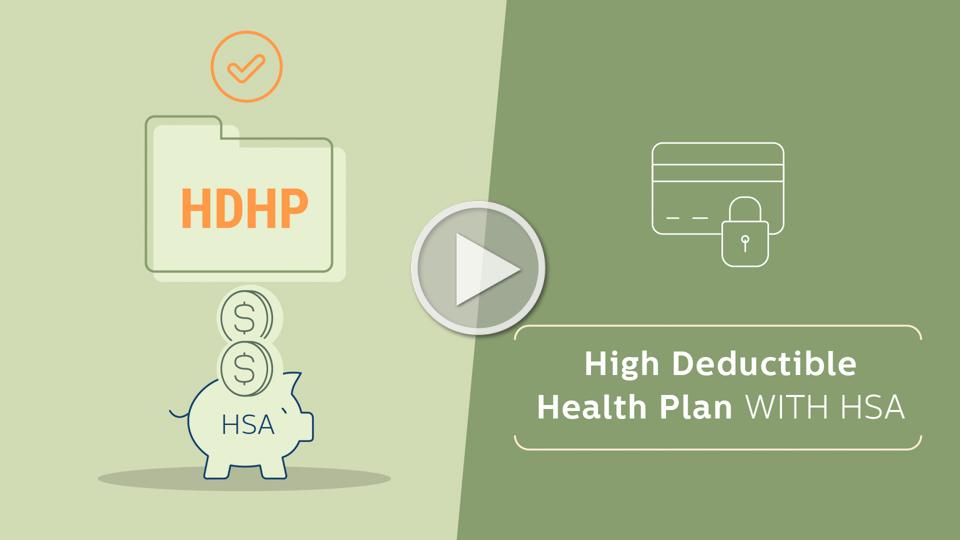
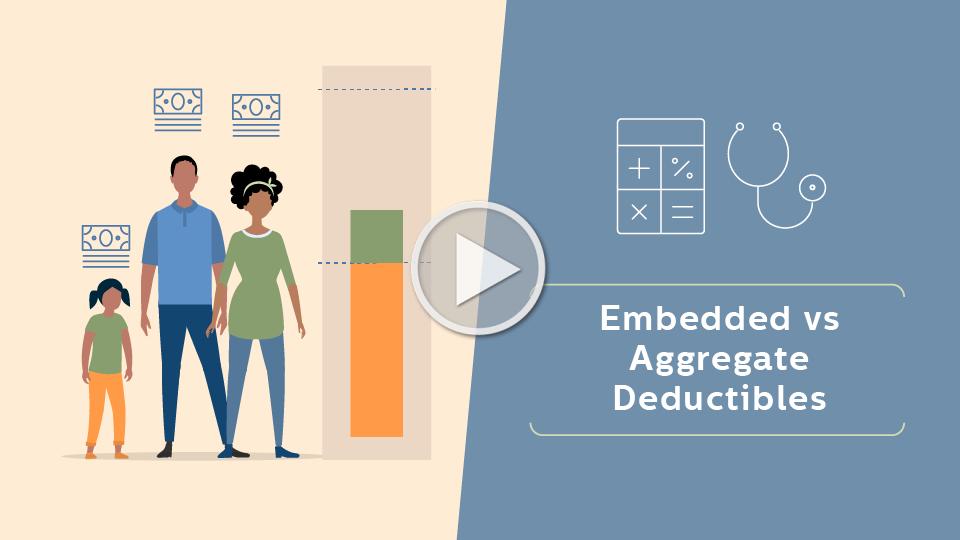
The $1900 HDHP plan is an aggregate deductible plan.
The $3300 HDHP plan is an embedded deductible plan.
Learn more about HSA accounts on the HSA & FSA page.

Telehealth
Virtual doctor visits, or telehealth, offer a flexible, efficient, and effective way to receive medical care, making healthcare more accessible and convenient for many people. Virtual visits are available 24/7.
All plans provide a $0 cost for you and your covered dependents.
Virtual visits are utilized for common and basic conditions like:
- Allergies
- Bronchitis
- Eye Infections
- Flu
- Headaches/migraines
- Rashes
- Sore Throats
- Stomachache
- and more
To get started, sign into your myuhc.com account and select virtual visits, use the UnitedHealthcare mobile app, or call 855-615-8335.

Available 24/7

$0 Cost Per Visit
Prescription Plan
If you are enrolled in an Immunotek medical plan, you automatically receive prescription drug coverage through United HealthCare. The PPO plan does not have a pharmacy deductible, but the HDHP plan deductible must be met before you have pharmacy coverage.
UHC /OptumRx offers home delivery on specific prescriptions, usually medications for chronic conditions like heart disease, high blood pressure, asthma, and diabetes. With home delivery, you receive 3 times the amount with 2.5 times the copay, which saves you money.

| Retail and Specialty Pharmacy - 31-Day Supply |
|||
| Prescription Type | |||
| Generic - Tier 1 | |||
| Brand Formulary - Tier 2 | |||
| Brand Non Formulary - Tier 3 | |||
| Mail Order - 90-Day Supply | |||
| Generic - Tier 1 | |||
| Brand Formulary - Tier 2 | |||
| Brand Non Formulary - Tier 3 | |||
| Deductible | Does not apply for PPO | Medical Deductible Applies |
|
Have benefit questions?
Email:
Call benefits:
Leave of absence email:

MENTAL HEALTH AND WELL-BEING
Employee Assistance Program
The Employee Assistance Program (EAP) is a valuable resource for employees and their dependents facing personal or work-related challenges. What's more, it's free for employees enrolled in one of the UHC medical plans. Here are a few ways the EAP can help:
Confidential Counseling: EAP provides access to professional counselors who offer confidential support for a variety of issues, including stress, anxiety, depression, and relationship problems. Sessions are private, ensuring employees can seek help without fear of judgment or repercussions at work.
Work-Life Balance: EAP services can assist employees in managing work and personal life demands. This includes support for childcare and eldercare, legal and financial advice, and strategies for time management and productivity.
Substance Abuse Support: Employees struggling with substance abuse can find help through EAP. The program offers counseling, referrals to treatment programs, and recovery support, helping employees regain control of their lives.
Crisis Intervention: In times of crisis, such as losing a loved one, natural disasters, or workplace incidents, EAP provides immediate support and resources to help employees cope and recover.
Legal Assistance: Employees can receive legal guidance on various personal matters, including estate planning, divorce, and custody issues. This support can alleviate the stress of navigating legal challenges alone.
Referral Services: If an employee's needs extend beyond the scope of EAP services, counselors can provide referrals to specialized professionals or community resources for further assistance.

Available 24/7
You can access the EAP resources by visiting myuhc.com and logging into your account or the UHC mobile app.

Well-being
United Healthcare offers several programs to help you with your well-being journey, and you can earn up to $1,000 in incentives.
UHC Rewards – an incentive program that allows you to earn up to $1,000 annually by completing various wellness activities.
One Pass – is a subscription-based network that brings personalized well-being tools, fitness centers, and grocery home delivery options to your fingertips.
Real Appeal – Weight-loss program to help members prevent disease, change behavior, and save on medical expenses.
Maternity Support – personalized support and help through every stage of pregnancy
Quit for Life – The program provides access to a coach and nicotine replacement therapy to help quit tobacco.
Have benefit questions?
Email:
Call benefits:
Leave of absence email:
HSA AND FSA
Health Savings Account
A Health Savings Account (HSA) is a tax-advantaged savings account designed to help you save for and pay for qualified expenses. HSAs are available to employees enrolled in a high-deductible health plan (HDHP).
WEX administers the HSA account, and when you open an account, the US Patriot Act requires a verification process.
Here are some key features and benefits of an HSA:
Tax Advantages: HSAs offer a triple tax benefit
Contributions are tax-deductible: Money deposited into an HSA is not subject to federal income tax.
Tax-free growth: Funds in an HSA grow tax-free, and any interest or investment earnings are not taxed.
Tax-free withdrawals: Withdrawals used to pay for qualified medical expenses are not taxed.
Eligibility: To open an HSA, you must be enrolled in a high-deductible health plan (HDHP).
Contribution Limits: The IRS sets annual contribution limits for HSAs. For 2024, the maximum contribution is $4,150 for individual coverage and $8,300 for family coverage. Individuals aged 55 and older can contribute an additional $1,000 as a catch-up contribution.
Flexibility: HSAs allow you to choose how and when you use your funds. Your HSA account balances roll over each year, and the funds are portable, meaning they stay with you even if you change jobs or retire.
Qualified Medical Expenses: HSA funds can be used to pay for a wide range of qualified expenses, including: Doctor's visits and co-pays, Prescription medications, Dental and vision care, Over-the-counter medications (with a prescription), Medical equipment and supplies
Long-Term Savings: HSAs can also be used as a long-term savings vehicle for healthcare expenses in retirement. After age 65, you can withdraw HSA funds for any purpose without penalty, though withdrawals for non-medical expenses will be subject to income tax.
Investment Options: The HSA account includes investment options similar to retirement accounts, such as mutual funds, stocks, and bonds. This allows you to grow your HSA balance over time through investments.
Ease of Use: The account includes a debit card, online account management, and a mobile app for convenient access to your funds. You can pay for medical expenses directly from your HSA account or reimburse yourself for out-of-pocket expenses.
The HSA account is a powerful tool for managing healthcare costs and saving for future medical expenses.
You can change your HSA contribution amount anytime during the year. You do this by logging into your Tbx enrollment site.
Dependent Care FSA
A Flexible Spending Account (FSA) dependent care account is a type of savings account that allows employees to set aside pre-tax dollars to pay for eligible dependent care expenses. This account is specifically designed to help employees cover costs related to the care of their dependents, such as children under the age of 13, a disabled spouse, or any other dependents who are physically or mentally incapable of self-care and live with the employee.
Expenses for a spouse or grandparent require, they reside with you, be physically or mentally incapable, and can be claimed as a dependent on your tax return.
Here are some key features and benefits of a dependent care FSA:
Tax Savings: Contributions to a dependent care FSA are made with pre-tax dollars from your paycheck(24 times per year), reducing your taxable income and resulting in tax savings. This lowers your overall tax liability.
Eligible Expenses: Funds in a dependent care FSA can be used to pay for a variety of dependent care expenses, including: Daycare, preschool, and nursery school Before and after-school care programs Summer day camps In-home care provided by a babysitter or nanny Care for a disabled spouse or other dependents who are incapable of self-care.
Contribution Limits: The IRS sets annual contribution limits for dependent care FSAs. For 2024, the maximum contribution is $5,000 per household per year for single filers or married couples filing jointly and $2,500 for married individuals filing separately.
Use-It-or-Lose-It Rule: Dependent care FSAs operate under a "use-it-or-lose-it" rule, meaning that any funds remaining in the account at the end of the year are forfeited. It's essential to plan your contributions carefully to avoid losing money.
Reimbursement: Employees submit claims for reimbursement to use funds from a dependent care FSA. This involves providing receipts or proof of payment for eligible expenses. Once approved, WEX, the FSA administrator, will reimburse you from the account.
Medical expenses are NOT eligible for a dependent care account. Before enrolling in this benefit, make sure you understand the rules regarding the FSA dependent care account.
Have benefit questions?
Email:
Call benefits:
Leave of absence email:

DENTAL AND VISION
Dental Insurance
Remember, your oral health is not just about your teeth and gums. It's closely linked to your overall health. Poor dental hygiene can lead to other health problems like heart disease, diabetes, and infections. By encouraging regular visits and treatments, dental insurance contributes to your overall health and well-being.
Enrolling in dental insurance offers several important benefits:
Preventive Care: Dental insurance covers regular check-ups, cleanings, and preventive treatments at little to no cost. Regular dental visits can prevent serious dental issues, such as cavities and gum disease, from developing.
Cost Savings: Dental procedures can be expensive. Insurance helps offset the costs of routine and unexpected dental treatments, including fillings, root canals, crowns, and orthodontic work.
Early Detection of Problems: Regular dental visits allow for early detection of oral health issues. Catching problems early can prevent more serious and costly treatments later.
You have two dental plan options, both of which are provided by United Healthcare.


Vision Insurance
Regular eye examinations can not only determine your need for corrective eyewear but also may detect general health problems in their earliest stages. Eye exams can help identify early signs of diseases that impact your whole body, such as high blood pressure, diabetes, and high cholesterol.
Whether you have perfect vision or require corrective lenses, preventive eye care is integral to your overall health. Vision insurance can help offset the expensive costs of exams, frames, contact lenses, corrective surgery, and more.
If you participate in the Health Savings Account (HSA), you can use those funds to cover eligible vision-related costs not covered by the insurance.
| Vision Rates - Per Pay Period (24 checks) | |
| Employee Only | |
| Employee and Spouse | |
| Employee and Child(ren) | |
| Employee and Family | |
Have benefit questions?
Email:
Call benefits:
Leave of absence email:
LIFE AND DISABILITY
Short-Term Disability
Enrolling in short-term disability (STD) insurance offers several significant benefits that can provide financial stability and peace of mind in the event of a temporary disability.
New employees who enroll during their new employee enrollment are not subject to evidence of insurability. If you enroll any time later, your enrollment is subject to evidence of insurability and could be denied.
Here are some key reasons to consider enrolling in STD insurance:
Income Protection: STD insurance provides you with of your pay up to a weekly maximum of if you become temporarily disabled and are unable to work due to illness, injury, or pregnancy. STD benefits begin on day 8 of disability and continues for up to 12 weeks. The STD plan has a pre-existing condition exclusion.
Coverage for Various Conditions: STD insurance typically covers many conditions, including physical injuries, surgeries, serious illnesses, and maternity leave.
Bridge to Long-Term Disability (LTD) Insurance: For those with long-term disability insurance, STD insurance serves as a bridge, providing income during the initial period of disability until LTD benefits begin.
Some states have mandated disability benefits. If you reside in a state and you enroll in the STD plan, your STD benefits will be reduced by state provided benefits.
Supplement to PTO: While we do provide employees with PTO, PTO may not be sufficient to cover extended absences.
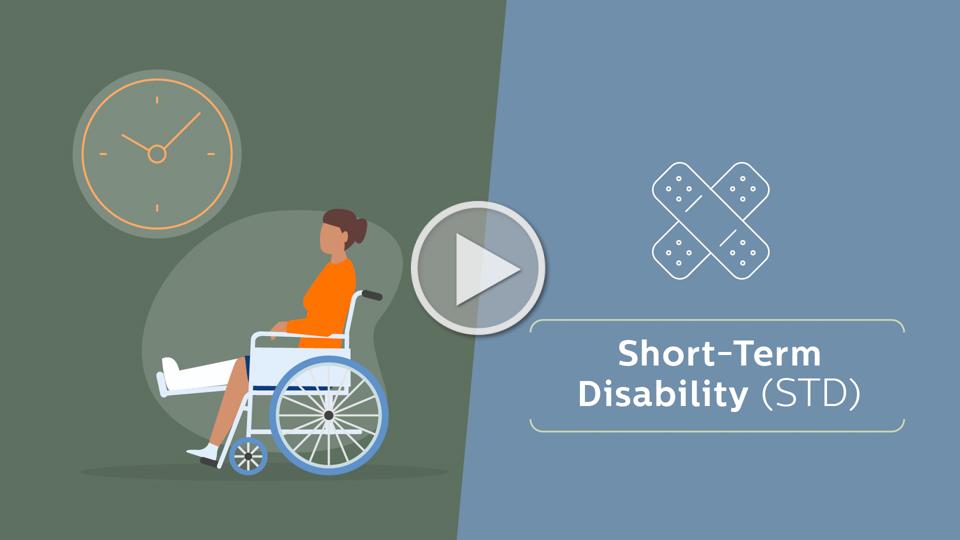
If you purchased the STD benefit and you believe you will be out for more than five days, you should file an STD claim. The STD benefit is paid to you by United Healthcare if your STD claim is approved.
If you have a on the job accident or incident you should report immediately to your supervisor. On the job injuries fall under Workers Compensation.
Short term disability runs concurrent with FMLA if you are FMLA eligible.
Find information on FMLA and Benefit Premiums while on leave in the FMLA section on the Time Away tab.
Long-Term Disability
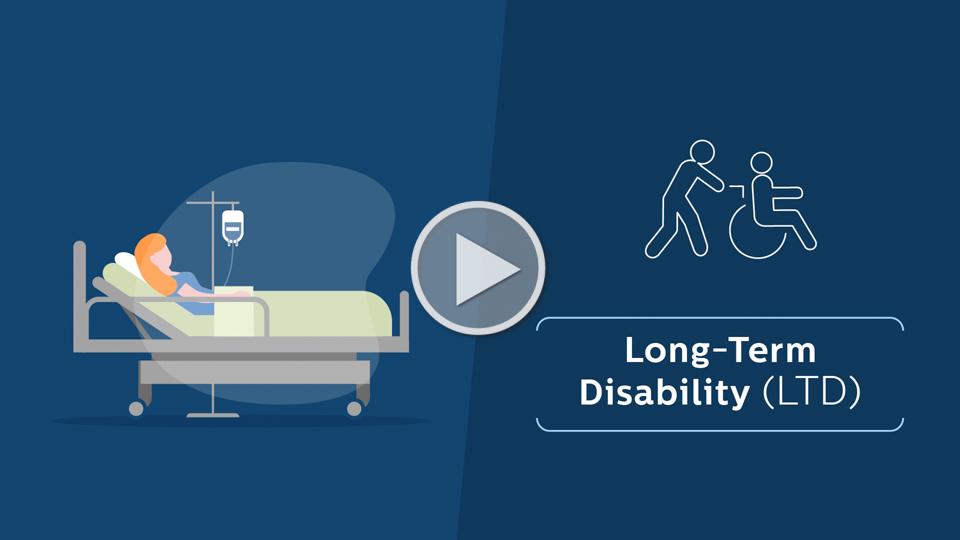
Long-Term Disability (LTD) Insurance is a type of coverage designed to protect an individual’s income if they cannot work for an extended period due to illness, injury, or a disabling condition. Here are the key aspects of LTD insurance:
- LTD insurance replaces 60% of your income, up to a monthly maximum, while you cannot work.
- LTD benefits begin after a 90-day waiting period. If you enrolled in STD, then STD bridges the gap until LTD begins.
New employees who enroll during their new employee enrollment are not subject to evidence of insurability. If you enroll any time later, your enrollment is subject to evidence of insurability and could be denied.
Life Insurance
As a benefit-eligible employee, you are covered by basic life and accidental death and dismemberment (AD&D) insurance, which is provided and paid for by Immunotek. In addition, you have the option to purchase additional voluntary life and AD&D insurance. The cost of voluntary life insurance depends on your age.
Important note: During the new employee enrollment period, you can enroll in voluntary life insurance up to the guaranteed issue amount without providing evidence of insurability. If you choose not to enroll during this period, any future election will require evidence of insurability, and you can be declined or limited on coverage.
Basic Life Coverage:
Voluntary Employee Life Guarantee Issue Amount:
Employees can purchase voluntary life insurance in increments, allowing them to tailor their coverage to their needs. The maximum coverage is not exceeding five times their annual earnings.
Voluntary Spouse Life Insurance Guarantee Issue Amount:
If you elect insurance for yourself, you may purchase spouse life insurance in increments, not exceeding 100% of your voluntary life insurance amount.
Voluntary Child life: if you elect coverage for yourself, you may elect child life, which covers all eligible dependents over 14 days up to age 26.
Necessary: Complete your beneficiary forms at Tbx. A completed beneficiary form is crucial if you are benefit-eligible or elect additional voluntary life coverage.
Have benefit questions?
Email:
Call benefits:
Leave of absence email:
TIME AWAY
PTO Policy
The Company acknowledges the importance of work-life balance and recognizes the necessity of time away from work. Our Paid Time Off (PTO) policy is designed with flexibility to cater to your individual needs. You can utilize your PTO for vacations, personal matters, observance of non-company holidays, or illness.
Approval from your manager is required for PTO, and it is your responsibility to request PTO through UKG Pro. All PTO requests must be submitted through UKG Pro at least two weeks before the requested time off; otherwise, the time may not be compensated or approved. PTO hours are to be utilized for unexcused absences. It is compensated at straight time and is not considered as hours worked for overtime calculation purposes.
Full-time employees begin accruing PTO upon hire and can start using PTO as it is earned. For each bi-weekly pay period an eligible employee is active, PTO is earned and accrued up to an established annual maximum accrual limit. Generally, part-time employees do not accrue PTO.
PTO and EPIC! days do not rollover each year and will reset to zero end of day on December 31.
Employees start fresh each year with EPIC! days and PTO accrual.
Accrued and unused PTO is paid out upon separation

EPIC! Days
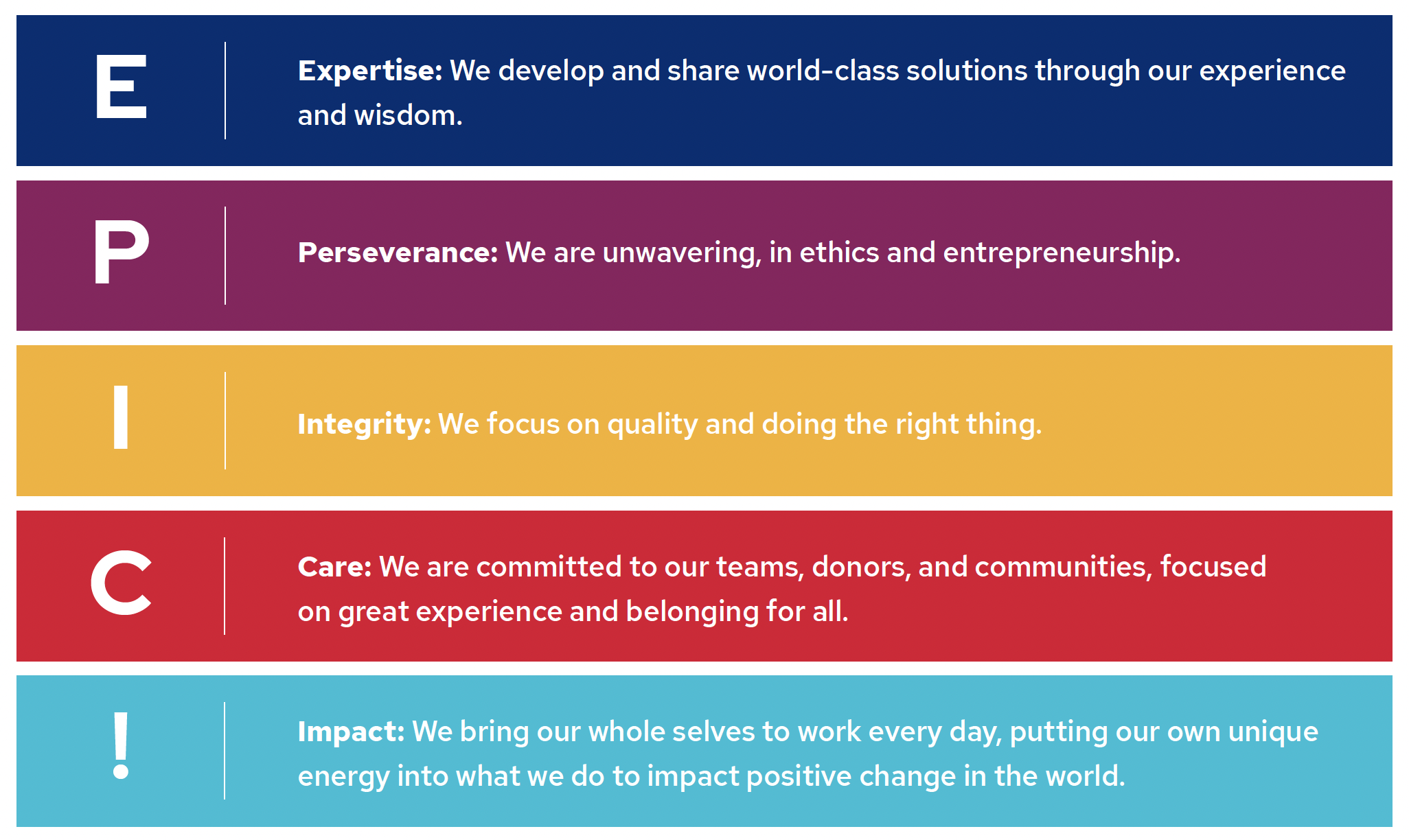
The Company prioritizes your well-being and believes in supporting you. EPIC! Days are provided to give you flexible time away from work. Full-time active employees are awarded EPIC! days on January 1 each year! New employees receive EPIC! days upon hire date.
Manager approval is required for EPIC! Days, and it is your responsibility to request and record them through UKG Pro.
EPIC! days must be utilized in four-hour increments. These hours do not roll over each year, and EPIC! days are not paid out at separation.
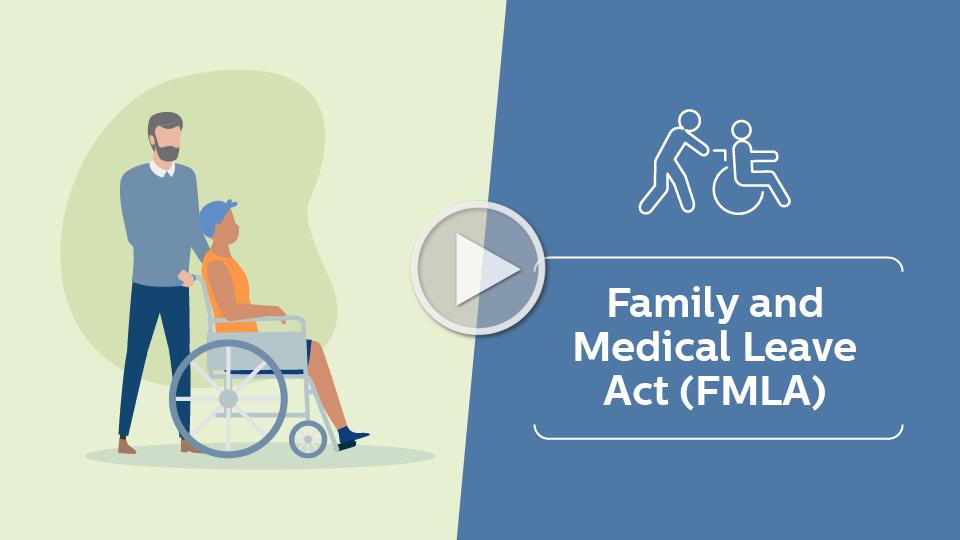
Family and Medical Leave Act (FMLA)
The Family and Medical Leave Act (FMLA) is a 1993 federal law that entitles eligible employees to take unpaid, job-protected leave for specified family and medical reasons. Under FMLA, eligible employees can take up to 12 weeks of leave in 12 months.
In addition, FMLA provides for up to 26 workweeks of leave during a single 12-month period to care for a covered servicemember with a serious injury or illness if the eligible employee is the servicemember's spouse, son, daughter, parent, or next of kin (military caregiver leave).
FMLA ensures that employees can take leave without fear of losing their jobs or health insurance coverage if they meet the eligibility requirements and follow the proper procedures for requesting leave.
FMLA Specific to ImmunoTek
FMLA is an unpaid leave. You can use EPIC! and PTO hours while on leave.
Employees at a site with 50 or fewer employees within a 75-mile radius are ineligible for FMLA.
Utilize a "rolling" 12-month period measured backward from the date an employee takes FMLA leave.
Special rules apply to working spouses at the same location.
Intermittent or reduced leave for birth or placement of the child is unavailable unless the organization can accommodate it.
FMLA leave must be certified by a provider. Utilize the appropriate certification form on the right to certify your FMLA leave.
FMLA leave requests and certifications are managed through Immunotek's leave of absence provider, Lockton.
Submit certification forms:
Speak to a Lockton leave representative:

Parental Leave
The Company recognizes that we have employees who will not qualify for FMLA because the employee works at a location with fewer than 50 employees within a 75-mile radius or has less than one year of service with the Company. Example: An employee has been working for 2 years at a non-FMLA eligible center with 40 employees. All employees in this example do not qualify for FMLA and would be eligible for CLOA. In such cases, unpaid leave may be granted to full-time employees with at least 30 days of service.
Review the CLOA policy for more information.
Request a leave using the certification documents as you would for FMLA.
Make your CLOA leave request by emailing
Bereavement Leave
Regular full-time employees are eligible for up to three (3) paid days off in the event of the death of an immediate family member. "Immediate family" includes the employee's current spouse, domestic partner, parents, siblings, children, step-in-law, and grand variations of these relationships. Employees may request to use their PTO if additional time off is needed.
Employees should notify their supervisor if they need to take bereavement leave as soon as possible. Managers may request documentation, such as an obituary, for verification purposes.


Non-FMLA Leave
If a situation arises that is not covered by FMLA or the parental leave policy that temporarily prevents you from working; you may request a non-FMLA leave of absence. You must be employed for at least six months to be eligible before the requested leave starts. Approval for a non-FMLA leave of absence must be obtained in advance. The leave period can range from five to 60 consecutive calendar days within a twelve-month period.
To submit a request for non-FMLA leave, please contact Lockton by phone or email. If your request is related to a health condition for yourself or a family member, completing the certification forms from the FMLA section above will help expedite your request.
Americans with Disabilities Act (ADA)
The intent of the Americans with Disabilities Act (ADA) is to ensure that individuals with disabilities have the same rights and opportunities as everyone else. It is a civil rights law that prohibits discrimination against individuals with disabilities in all areas of public life, including jobs, schools, transportation, and all public and private places open to the general public.
A reasonable accommodation is an adjustment in the workplace or in standard procedures that enables a person with a disability to apply for a job, perform job duties, or enjoy the benefits and privileges of employment. A reasonable accommodation request can be something as small as a piece of equipment that helps you perform the essential functions of your position or a leave of absence can also be considered a reasonable accommodation.
You can make a request to Lockton by email or phone or, if you prefer, speak with your manager or a Human Resource Business Partner.
Remember you only need to ask, it is not required to be in writing, however we may ask for additional information.

Have benefit questions?
Email:
Call benefits:
Leave of absence email:

401(K) SAVINGS
401(k)
Saving in a 401(k) can be a cornerstone of a robust retirement strategy. It offers tax benefits, employer contributions, and opportunities for long-term growth.
Eligibility: You can participate beginning on the first of the month after six months of service. You must be 21 to participate in the 401(k) plan.
You are always 100% vested in your contributions, and with Immunotek, you are 100% vested in the employer match when you begin participating.
You have a wide range of investment options to choose from or you can keep in simple with Immunotek's default Target date Funds.
If you receive a bonus and have an active 401(k) contribution, your 401(k) contribution will be deducted from your bonus check. You can adjust your contribution amount by logging into your Principal account. Please note that it takes 1-2 pay periods for changes to take effect in UKG.
Target Date funds: Target date funds can be a valuable tool for retirement planning. They offer a balanced and automatic adjusting investment strategy that aligns with an individual's anticipated retirement timeline.
Target funds automatically shift asset allocation from higher-risk investments (like stocks) to lower-risk investments (like bonds and cash) as the target date (retirement date) nears. This process is known as the "glide path."
If you do not choose an investment option, your contributions will automatically be allocated to the appropriate target fund.
The Principal 401(k) plan includes a Roth feature.
Contributions: Similar to a Roth IRA, contributions to a Roth 401(k) are made with after-tax dollars.
Growth: The investments grow tax free.
Retirement withdrawals: A significant advantage of a Roth 401 (k) is that retirement withdrawals are tax-free, provided you're over 59½ and the account has been open for at least five years, potentially saving you a significant amount in taxes.
RMDs: Unlike a Roth IRA, Roth 401(k)s have required minimum distributions starting at age 73 unless you roll the money over into a Roth IRA.
The main advantage of a Roth account is the ability to withdraw money tax-free in retirement, which can be beneficial if you expect to be in a higher tax bracket in the future.
Financial decision support?
Contact Jennifer Martin with Creative Planning. Jennifer can help you with more than just your 401(k) savings questions.
Key Reasons to Save in a 401(k)
Tax Advantages
Pre-Tax Contributions: 401(k) contributions can be made with pre-tax dollars, reducing your annual taxable income.
Tax-Deferred Growth: Investments in a 401(k) grow tax-deferred, meaning you only pay taxes on earnings once you withdraw the money.
Employer Matching: Immunotek offers matching contributions up to a certain percentage of your salary. Employer match is free money added to your retirement savings. The employer match is:
Tip: When you elect a minimum contribution of 5%, you'll receive the full employer match!
Automated Savings: When you elect to participate your contributions are automatically deducted from your paycheck, making saving for retirement easy. You also benefit from dollar-cost averaging because your contribution and employer match occurs with each paycheck.
You can change your contribution amount anytime during the year and as often as you like by logging into your account at Principal and making the change. Please allow 1-2 weeks for the change to occur.
High Contribution Limits: 401(k) plans have high contribution limits, allowing you to save more each year. For 2024, the contribution limit is $23,000, or $30,500 if you're age 50 or over.
Compounding Growth: The sooner you start saving, the more you can take advantage of compound interest, which can significantly grow your savings over time.
Protection from Creditors: 401(k) accounts are often protected from creditors under federal law.

Principal website:
Principal phone:
Policy #
Have benefit questions?
Email:
Call benefits:
Leave of absence email:
ADDITIONAL BENEFITS
Accident Insurance
Accident insurance by Trustmark pays you cash for accidents covered under the plan. The accident plan does not cover disease, sickness, or loss from sickness.
Additional benefits with the plan include an organized sports benefit and a wellness benefit.
Review the Trustmark flyer for rates, detailed coverage, and information on the benefit amount.


Critical Illness Insurance
Medical insurance doesn't cover all expenses, which can be a source of stress. Critical illness insurance can bridge some of the gap between primary health insurance and out-of-pocket costs, easing your financial burden during recovery and covering expenses incurred as a result of your illness.
With critical illness insurance, you receive a cash payout if you suffer from a severe illness. While the list of covered diseases varies, it typically includes significant conditions like heart attacks, strokes, and cancer.
You can use the payout however you see fit. It could cover day-to-day expenses, deductibles, copays, and medical procedures. Some people use the money for rehabilitation, in-home care, or lifestyle changes to improve their health, such as smoking cessation programs.
Hospital Indemnity
Hospital Indemnity Insurance provides a fixed daily benefit to an employee for a covered hospital stay that occurs after their coverage begins. The daily benefit amounts vary based on the type of facility and the duration of the stay.
This insurance offers several advantages
Fixed Daily Benefit for Covered Confinement: Employees can use the benefits as they choose, including for everyday expenses like gas and groceries.
Automatic Acceptance: No health questions to answer, and you cannot be turned down for coverage based on your health.
Family Coverage: Coverage is available for employees, spouses, children, and financially dependent grandchildren.
Renewability and Portability: You can keep your coverage as long as your premiums are paid. If you leave your employer or retire, you can keep your plan on a direct bill basis.
As deductibles, co-pays, and co-insurance costs continue to rise, employees may understandably worry about increasing out-of-pocket expenses. This coverage is designed to provide a safety net, helping to alleviate those concerns and provide peace of mind.
Note: Hospital Confinement Indemnity Insurance is a limited-benefit policy. It is not health insurance and does not meet the minimum essential coverages of the Affordable Care Act.

Universal Life with Long-Term Care
Life insurance is similar to other kinds of permanent life insurance (like whole life). It’s designed to last a lifetime (so your price will never increase due to age), it builds cash value and it pays your beneficiaries when you die. There are also some important differences, though:
Universal Life is flexible, because you can adjust your premium payments within a certain range and still keep your policy in force.
Missing a single payment won’t automatically cancel your policy.
Trustmark Universal Life also offers benefits that you can receive while you’re still living.
If you’re being offered Universal LifeEvents®, your policy adjusts to your changing needs. For the same price as standard Universal Life, you get a higher death benefit during your working years, when your expenses and responsibilities are highest. When you turn 70 (and expenses are likely to be much less), the death benefit reduces to 1/3 of your original amount. The amount available for long-term care remains the same, as you are most likely to need it in older age.


Employee Discounts
Are you planning to attend a sporting event, travel, or just want to shop around for a good deal? Check out the perks program provided by PerkSpot. You might be able to save some money!
Have benefit questions?
Email:
Call benefits:
Leave of absence email:

RESOURCES
Announcements and News
Open Enrollment Begins October 28th and Ends on November 11th
Open Enrollment Webinars Are Coming!
Click the link below to register.
Immunotek Monthly Newsletters
United HealthCare Monthly Resources
Benefit Contact and Phone Numbers
United Healthcare
ITEK Policy #:
Virtual Care
On-demand access to board-certified doctors through online video, telephone, or secure email. General health issues can be addressed at home for $0 cost to you.
United Healthcare
Policy #:
WEX
HSA can be used for qualified medical expenses tax-free for you, your spouse and/or tax dependent(s), even if they are not covered by your plan.
WEX
A Flexible Spending Account (FSA) is a tax-free account you put money into to pay for certain out-of-pocket expenses. Dependent Care FSA allows you to set aside pre-tax dollars for expenses associated with caring for elderly or child dependents.
United Healthcare
Policy #:
Basic Life and AD&D: ImmunoTek Bio Centers provides employees with Basic Life/AD&D insurance benefit of
Voluntary Life AD&D: You may purchase additional Life/AD&D insurance for yourself, for your spouse, and for your child(ren).
Voluntary Short-Term Disability: Replaces % of your income if you become partially or totally disabled for a brief time.
Voluntary Long-Term Disability: replaces % of your income if you become partially or totally disabled for an extended time.
Trustmark
Accident: benefits for you and your covered family member for expenses related to an accidental injury.
Critical Illness: pays a lump-sum benefit if you are diagnosed with a covered disease or condition.
Hospital Indemnity: pays you cash benefits directly if you are admitted to the hospital or an Intensive Care Unit (ICU) for a covered stay.
Universal Life: designed to last a lifetime, builds cash value and it pays your beneficiaries when
you die.
TBX Enrollment System
Benefit Enrollment site to view your benefit enrollment or find benefit plan information.
Service center hours are Monday through Friday 7:00am – 7:00pm CST
Principal
ITEK - Policy #
Financial Decision Support
United Healthcare
No cost mental health assistance, legal and financial help from professionals. You also have 24-hour access to helpful resources by phone and a designated number of face-to-face visits per issue with a licensed professional.
Lockton Dunning
email:
Leave administration on behalf of ImmunoTek. Please contact the Lockton team for FMLA or the need for a leave that may extend beyond three days.
Leaving the Company
We’re sorry to see you leave and wish you all the best in your future endeavors. Here, you’ll find resources to help you understand what happens to your benefits upon leaving our organization.
You can continue your medical, dental, and vision coverage through COBRA. Please review the flyers below for more information.
You have the option to port your life insurance. For more about life insurance portability, click the Life Insurance Portability button below.


Additional Information
We are here to help. If you are still looking for information or have questions, contact your Total Rewards Team or Human Resource Business Partner.
Have benefit questions?
Email:
Call benefits:
Leave of absence email:
